
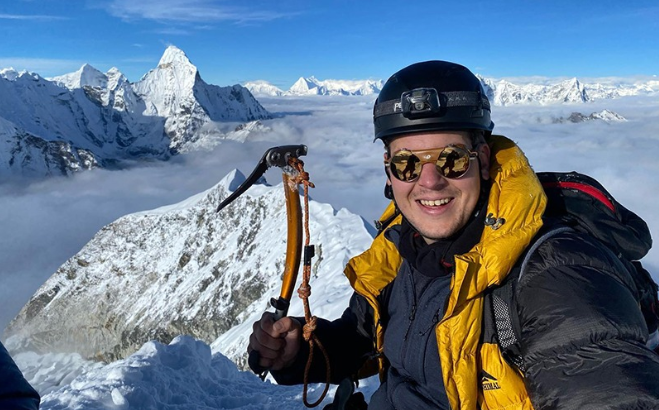
Island Peak Climbing known locally as Imja Tse, stands at 6,189 meters in the Khumbu region. Despite being classified as a trekking peak, it demands a fair degree of technical climbing proficiency. The ascent involves navigating glaciated terrains, crevasses, and a steep headwall before reaching the summit ridge. Successful climbers are rewarded with panoramic vistas of towering peaks, including Lhotse, Nuptse, and Ama Dablam. The journey typically commences with a trek to Everest Base Camp, providing essential acclimatization and a glimpse into the rich Sherpa culture.
Challenges: Altitude sickness is a primary concern. Proper acclimatization is crucial. Weather can change rapidly, and climbers should be prepared for challenging conditions.
Highlights: Stunning views of Lhotse, Ama Dablam, and other Himalayan giants. The sense of accomplishment upon reaching the summit is immense.
Lobuche Peak Climbing
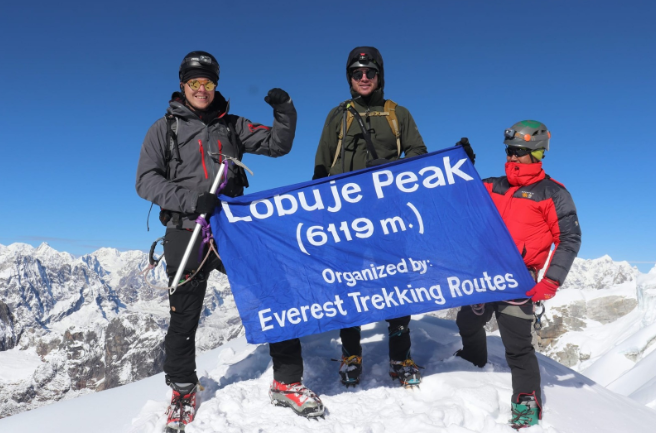
Lobuche Peak Climbing, rising to 6,119 meters, is renowned for its challenging routes and technical demands. The climb entails steep slopes, icy rock slabs, and a final sharp ridge leading to the summit. Prior mountaineering experience and excellent physical conditioning are crucial for this expedition. The reward is a breathtaking panorama of the Everest region, with unobstructed views of Everest, Lhotse, and the surrounding Himalayan giants.
Challenges: The technical sections require a good level of fitness and mountaineering skills. Exposure to high winds and cold temperatures is common.
Highlights: Panoramic views of the Everest region, including Ama Dablam and Pumori. The climb itself offers a satisfying challenge for experienced climbers.
Mera Peak Climbing
At 6,476 meters, Mera Peak Climbing is the highest trekking peak in Nepal. While technically less demanding than Island or Lobuche peaks, the climb requires traversing crevassed glaciers and ascending a long, gradual slope to the summit. The ascent is physically demanding due to its altitude, necessitating a high level of fitness and proper acclimatization. From the summit, climbers are treated to an unparalleled panorama of five of the world’s highest peaks: Everest, Lhotse, Cho Oyu, Makalu, and Kangchenjunga.
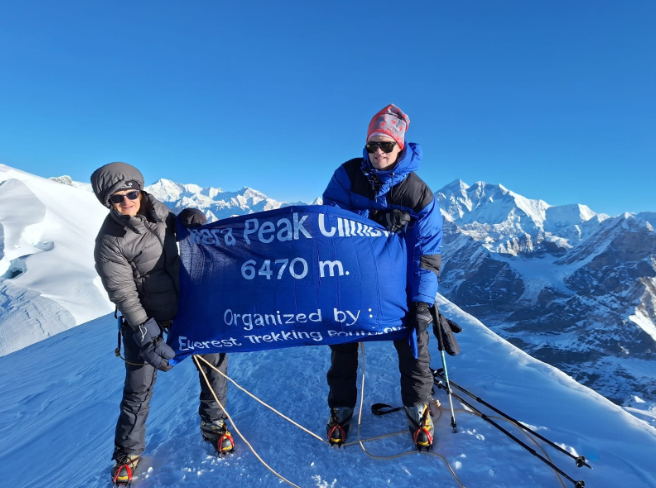
Challenges: Altitude sickness is a major concern due to the high altitude. Weather can be unpredictable.
Highlights: Unparalleled panoramic views of five 8,000-meter peaks, including Everest, Kanchenjunga, Lhotse, Makalu, and Cho Oyu.
Everest Three Passes Trek
For trekkers seeking an extensive exploration of the Everest region, the Everest Three Passes Trek offers an unparalleled adventure. This circuitous route traverses three high passes: Renjo La (5,388 meters), Cho La (5,380 meters), and Kongma La (5,535 meters). The trek encompasses diverse landscapes, from lush valleys to arid high-altitude terrains, and provides panoramic views from vantage points like Gokyo Ri and Kala Patthar. Along the way, trekkers immerse themselves in Sherpa culture, visiting traditional villages, ancient monasteries, and bustling market towns.
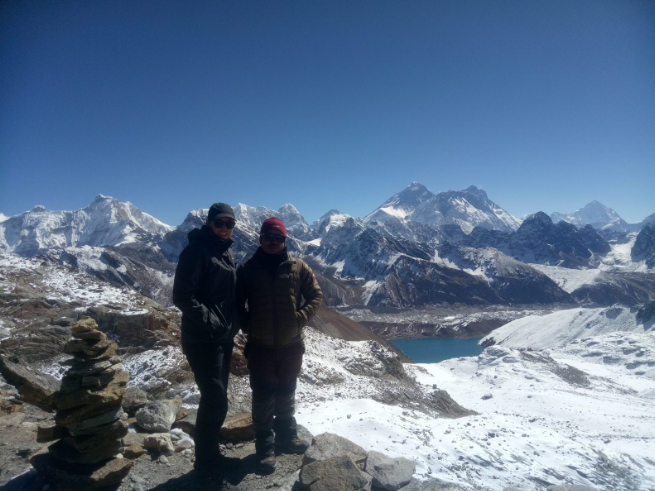
Challenges: Altitude sickness is a significant concern. The trek involves long days of walking at high altitude.
Highlights: Incredible views of Everest, Lhotse, Ama Dablam, and other iconic peaks. Immersion in Sherpa culture and a sense of accomplishment upon completing the challenging passes.
Conclusion
Each of these expeditions offers a unique blend of challenge and reward, catering to different levels of mountaineering experience and ambition. Island Peak and Lobuche Peak are ideal for climbers seeking technical ascents with the reward of panoramic Himalayan vistas. Mera Peak, while less technical, offers the allure of summiting the highest trekking peak in Nepal and witnessing an unparalleled panorama of the world’s highest mountains. The Everest Three Passes Trek provides an extensive trekking experience, immersing adventurers in the diverse landscapes and rich culture of the Everest region. Proper preparation, acclimatization, and respect for the mountain environment are essential for a successful and fulfilling adventure in these majestic terrains.
Key Takeaways
- Island Peak Climbing: Demands technical climbing skills; offers panoramic views of Lhotse, Nuptse, and Ama Dablam.
- Lobuche Peak Climbing: Technically challenging; rewards climbers with unobstructed vistas of Everest and surrounding peaks.
- Mera Peak Climbing: Highest trekking peak; provides views of five of the world’s highest mountains.
- Everest Three Passes Trek: Comprehensive trek through diverse landscapes; includes crossing three high passes and immersion in Sherpa culture.
FAQs
- What is the best time to undertake these climbs and treks?
The optimal seasons are pre-monsoon (March to May) and post-monsoon (September to November), offering stable weather and clear views. - Do I need prior climbing experience for these expeditions?
Island Peak and Lobuche Peak require technical climbing skills and prior experience. Mera Peak, while less technical, demands good physical fitness. The Everest Three Passes Trek is a strenuous trek suitable for experienced trekkers. - How long do these expeditions typically take?
- Island Peak Climbing: Approximately 19-20 days.
- Lobuche Peak Climbing: Around 18-20 days.
- Mera Peak Climbing: About 18-22 days.
- Everest Three Passes Trek: Typically 20-21 days.
- What permits are required?
Climbers need a climbing permit for the specific peak, a Sagarmatha National Park entry permit, and a TIMS (Trekkers’ Information Management System) card. - Is altitude sickness a concern?
Yes, due to the high elevations, proper acclimatization is crucial. It’s advisable to follow a gradual ascent profile and be aware of altitude sickness symptoms.
Contact Details
Everest Trekking Routes Pvt. Ltd.
16 Khumbu, Nayabazaar, Kathmandu, Nepal
Mobile : +977-9843467921 (Rabin)
Email: [email protected]
URL:- www.everesttrekkingroutes.com