

Training in sports has evolved far beyond stopwatches, written records, and subjective assessment of how well an athlete is performing. With today’s technologies, it is now possible to assess physical activities and performance and make correct training decisions based on the gathered information. Whether professional footballers track their movement or runners track their heartbeat, the use of wearable technologies is revolutionizing how athletes prepare and recover. In view of the fact that sports have become increasingly data-driven, the use of wearable technologies has become an integral part of every athlete’s life.

What Is Wearable Technology in Sports
Wearable technology refers to wearable electronic equipment that is used to measure and analyze information regarding physical activities, body responses, and movements. The use of wearable technology aids athletes in measuring how the body responds to the training regimen. Kolkata escorts interested in fitness technology can use wearable devices to monitor activity levels and better understand their exercise routines.
Some common types of wearable technology are as follows:
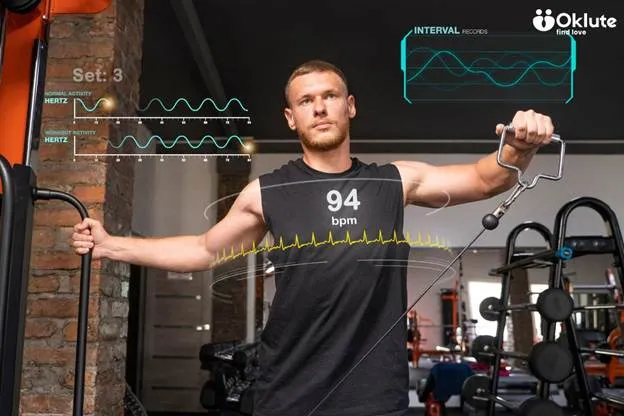
● Smartwatches and health monitors: The heart rate, activity levels, and time spent exercising can be measured with the help of such gadgets.
● GPS devices: These assist in measuring speed, distance, acceleration, and movement patterns.
● Wearable clothing and sensors: These assist in measuring body movements and the technique used.
● Heart rate monitors: Assist in measuring exercise intensity and heart response.
How Wearable Technology Improves Athletic Performance
Real-Time Performance Monitoring
Wearable technology gives instant feedback on the level of intensity of training, distances covered, speed of performance, and heart rate. The coach in a football team is able to measure the distance covered by an athlete in training sessions, while the athlete himself/herself is able to know his/her speed of running and heart rate.
Personalized Training Plans
No two athletes react in the same way to physical exercise. Data collected through wearable technology makes it possible for coaches to vary the volume, intensity, and period of rest depending on the performance of each athlete. This method could help athletes achieve their goals through tailored training programs. For Pune escorts interested in sports and fitness, understanding personalized training methods can help them appreciate how wearable technology supports individual athletic performance.
Technique and Movement Analysis
Movement sensors or biomechanics systems can help in recognizing the patterns of movements which may affect performance. A swimmer could analyze their stroke efficiency, whereas a basketball player could analyze their movements and accelerations. If used properly, such analysis helps an athlete improve his/her technique and movements.
Injury Prevention and Recovery Monitoring
Successful training entails knowing when to push oneself and when to rest. Wearables help in achieving this by enabling one to measure the training load, sleep habits, heart rate at rest, and heart rate variability.
Any changes in these values may mean that an athlete has become more fatigued or is recovering in a different way from what he/she usually does. Such data, together with the history of training sessions and feedback from the athlete, can be used to make changes in the workload and recovery program.
But wearables cannot prevent all injuries. Pain and discomfort should not be ignored even if the wearable says everything is okay.
The Benefits and Limitations of Wearable Technology
There are many advantages associated with the use of wearable devices, including performance evaluation, improved training programs, recovery strategies, and assisting coaches in evaluating their performance and making improvements based on evidence.
But there are also many disadvantages to be considered. The reliability of the information provided depends on the sensor used, type of activity, and measurement technique. Moreover, the cost of equipment and services can serve as a barrier for some athletes and teams.
In addition, there is always a possibility of gathering a large amount of data without having clear training goals. Information about personal health and performance should be managed carefully. For London escorts exploring fitness technology, setting clear workout goals and protecting personal health data are important parts of using wearable devices responsibly.
Ultimately, it is essential that results gained through technology are supplemented with professionals’ knowledge, practice, and the athletes’ observations.
Conclusion
Wearable technology is revolutionizing sports training through performance tracking, technique refinement, and recovery needs analysis. The feedback from such technologies enables better decision-making and personalized fitness objectives. Nevertheless, technology is not enough to ensure success. It takes wearable technology information together with experienced coaching, practice, good nutrition, and enough rest for an athlete to improve their performance.